
Novinky
Two Very Different Ways to "Stick" Something to Glass or a Wall
People lump these two products together all the time, and it trips up a lot of first-time installers. Non-adhesive window film isn't sticky at all — it clings to glass through static and surface tension, the same way a wet piece of plastic wrap grips a bowl. Self-adhesive wallpaper is the opposite: it has a real pressure-sensitive adhesive on the back, and once it touches the wall, it's committed.
That single difference changes almost everything about how you install each one. Okenní fólie navlhne, zasune se na místo a přilne až poté, co se voda odpaří. Wallpaper goes on dry, section by section, and grips the moment it makes contact. Mix up the two techniques and you'll either end up with a window film that won't stay put, or a wallpaper covered in trapped water bubbles that never go away.
Window film's static-cling installation is also why it saves so much on energy bills without needing glue at all — a Department of Energy–funded study on retrofit window films found that even a simple film layer can meaningfully cut the heat gain and loss through glass, which is a big part of why the category exists in the first place.
Co vrstva okenní fólie obvykle blokuje
Figures reflect commonly cited ranges for solar/window film performance, sourced from U.S. Department of Energy–backed research and industry reporting.
Co budete potřebovat, než začnete
Both jobs use a surprisingly similar toolkit, which is part of why people assume the installation process is the same. Není – ale nákupní seznam se překrývá.
- A spray bottle filled with water and a couple drops of dish soap
- A hard plastic squeegee or an old credit card wrapped in a soft cloth
- Ostrý užitkový nůž nebo nůžky na zastřihování
- Hadřík nepouštějící vlákna nebo papírové ručníky
- Svinovací metr
Roztok mýdlové vody dělá dvě zcela odlišné funkce v závislosti na tom, jaký materiál používáte. For window film, it's the entire mechanism — the water lets the film glide across the glass while you position it, then evaporates to leave the static bond behind. For wallpaper, it's just there for cleaning the wall beforehand; once the backing paper comes off, no more water touches the adhesive.
Nanášení nelepivé (statické přilnavé) okenní fólie krok za krokem
Začněte s oknem, které je neposkvrněné. Jakýkoli prach, otisky prstů nebo zbytky čisticího prostředku se zachytí pod fólií jako trvalá rána, takže sklo otřete mýdlovou vodou a hadříkem, který nepouští vlákna, a poté jej úplně osušte, než se fólie dotknete.
Measure the pane and cut the film about an inch larger on every side — it's much easier to trim off extra than to stretch a piece that came up short. A statická přilnavá fólie bez lepidla je navržena tak, aby držela tento druh okraje střihu bez zvlnění na hraně řezu, díky čemuž je krok přizpůsobení mnohem shovívavější, než by se zdálo.
Spray the glass generously — more than feels necessary — then peel the backing off the film a little at a time, spraying the exposed sticky-looking side as you go so it doesn't grab the glass before you're ready. Place the film onto the wet glass and let it slide into position. Because there's no real adhesive yet, you've got a minute or two to nudge it square before the water starts pulling it flat.
Once it's aligned, work a squeegee from the center outward in overlapping strokes, pushing water and air out toward the edges rather than trapping it in the middle. Blot the runoff with a paper towel, and leave the film alone for a full day — most static films look done within an hour but don't reach their final clarity and grip until the last bit of moisture has worked its way out from underneath.
Aplikace samolepicí tapety krok za krokem
Příprava stěny je zde ještě důležitější než u okenních fólií, protože nedosáhnete přemístění okna, které vám poskytuje mokré sklo. Clean the wall, let it dry fully, and check for any old paint flecks or texture that could telegraph through a thin film. A fresh, smooth, lightly sanded surface is what you're after.
Mark a level vertical line where you want your first strip to land — nothing throws off a whole wall of panels faster than a first sheet that was even slightly crooked. Then, instead of pulling all the backing paper off at once, peel back only the first 20–25cm or so. Ten horní pás je vaše kotva.
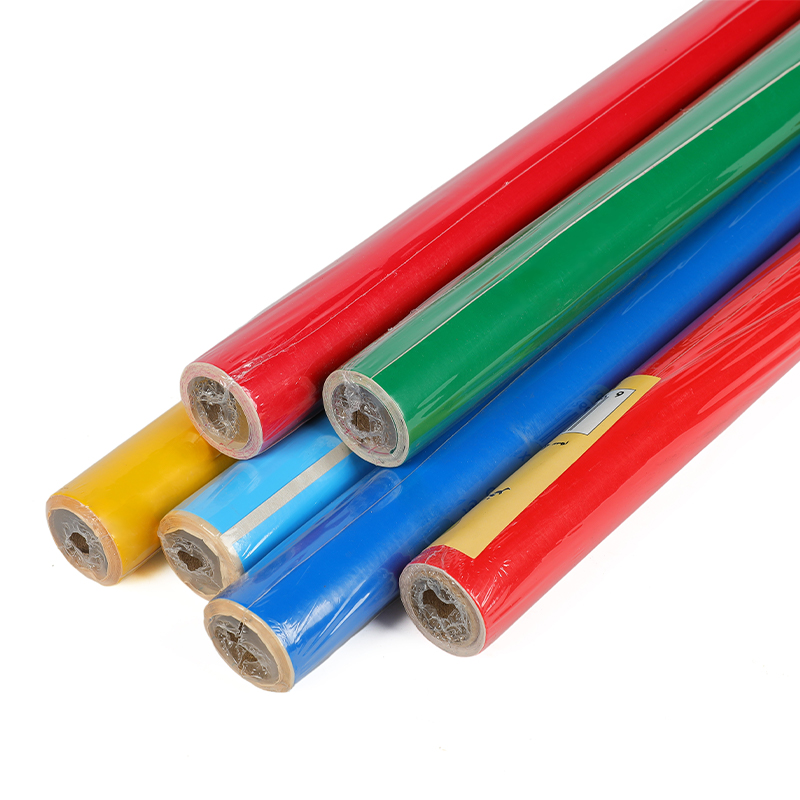
Press that top section into place along your level line, then work your way down, peeling a bit more backing and smoothing as you go with a felt-edged applicator or a soft cloth wrapped squeegee. Jděte od středu ven na každé sekci, abyste zahnali vzduchové bubliny směrem k okrajům, než se zachytí. A samolepicí PVC fólie is thin enough to trim cleanly with a sharp blade once it's fully seated, so save the corner and outlet cutouts for after the sheet is flat rather than trying to pre-cut around them.
If a bubble does sneak in, don't panic and rip it up right away — for most self-adhesive films, you can lift the film gently from the nearest edge and re-lay it while it's still within the first few minutes of contact.
Typická doba instalace, na panel
Hrubé DIY benchmarky pro začínajícího instalátora; zkušení instalátoři obvykle dokončí práci rychleji.
Běžné chyby, které ničí závěr
Jediná největší příčina neúspěšných instalací: přeskočení kroku čištění. Každý hrbol, pruh nebo zamlžená skvrna se vrací k něčemu, co zůstalo na povrchu předtím, než film nebo tapeta pokračovala.
Kromě toho se znovu a znovu objevuje několik vzorů. Installing in cold weather is one — most self-adhesive products lose grip below around 10°C (50°F), so a chilly garage or an unheated room in winter is asking for edges that lift within days. Spěchání stěrky je další; short, choppy strokes leave trapped bubbles that longer, overlapping strokes would have pushed out.
Texturované nebo matně natřené stěny jsou běžnou pastí konkrétně pro tapety – lepidlo potřebuje přiměřeně hladký povrch, aby se rovnoměrně uchytilo, a silně texturovaná stěna zanechá pod fólií mezery, které se později projeví jako matné skvrny. A u okenních fólií je stříkající příliš málo vody obvyklým viníkem za tvrdohlavými bublinami: více řešení, ne méně, je téměř vždy řešením.
Který byste měli použít?
Pokud je cílem sklo – soukromí, kontrola oslnění, dekorativní vzor na sprchových dveřích nebo výkladní skříni – neadhezivní statická fólie je snazší a shovívavější volbou a bude čistá, kdykoli budete připraveni ji vyměnit. Je to také lepší volba pro půjčovny, protože na skle nezůstávají žádné zbytky lepidla.
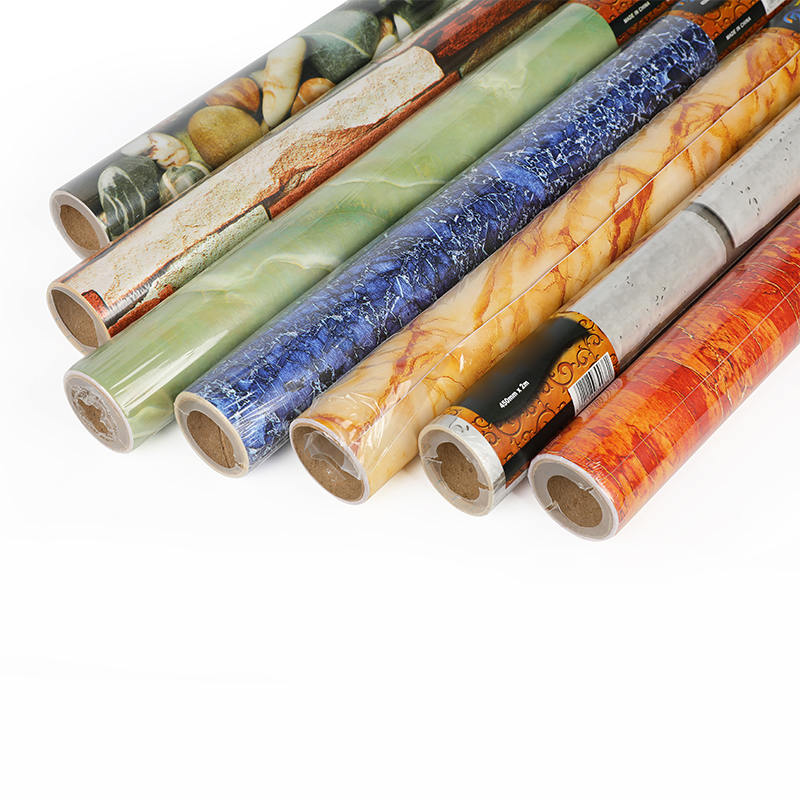
If the goal is a wall, cabinet front, or furniture surface, self-adhesive wallpaper holds up to more handling and daily contact than a static film ever could. A jednobarevná samolepicí fólie funguje dobře přesně pro tento druh povrchu a poskytuje čistý a rovnoměrný povrch, který statické přilnavé produkty neposkytují na svislé stěně daleko od skla.
| Faktor | Nepřilnavá okenní fólie | Samolepící tapety |
|---|---|---|
| Způsob lepení | Statické přilnutí (aktivované vodou) | Lepidlo citlivé na tlak |
| Nejlepší povrch | Sklo, neporézní tabule | Hladké stěny, skříně, dveře |
| Přemístitelné | Ano, zatímco sklo zůstává vlhké | Pouze v prvních minutách |
| Odstranění | Odlupuje se, žádné zbytky | Na některých nátěrech jsou možné zbytky |
| Doba plného uchopení/vytvrzení | ~24 hodin | Ihned při kontaktu |
| Ideální pro pronájmy | Ano | Záleží na povrchové úpravě stěny |
Porozumění jak konstrukce dekorativní fólie z PVC ovlivňuje její odolnost a flexibilitu designu is worth a read before ordering either product in bulk, since the layer structure behind the material is what determines whether it'll still look right on the wall a year from now, not just how it looks on day one. Přizpůsobte materiál povrchu, na kterém se ve skutečnosti děje, a většina výše uvedených instalačních problémů se nikdy neobjeví.
 Previous